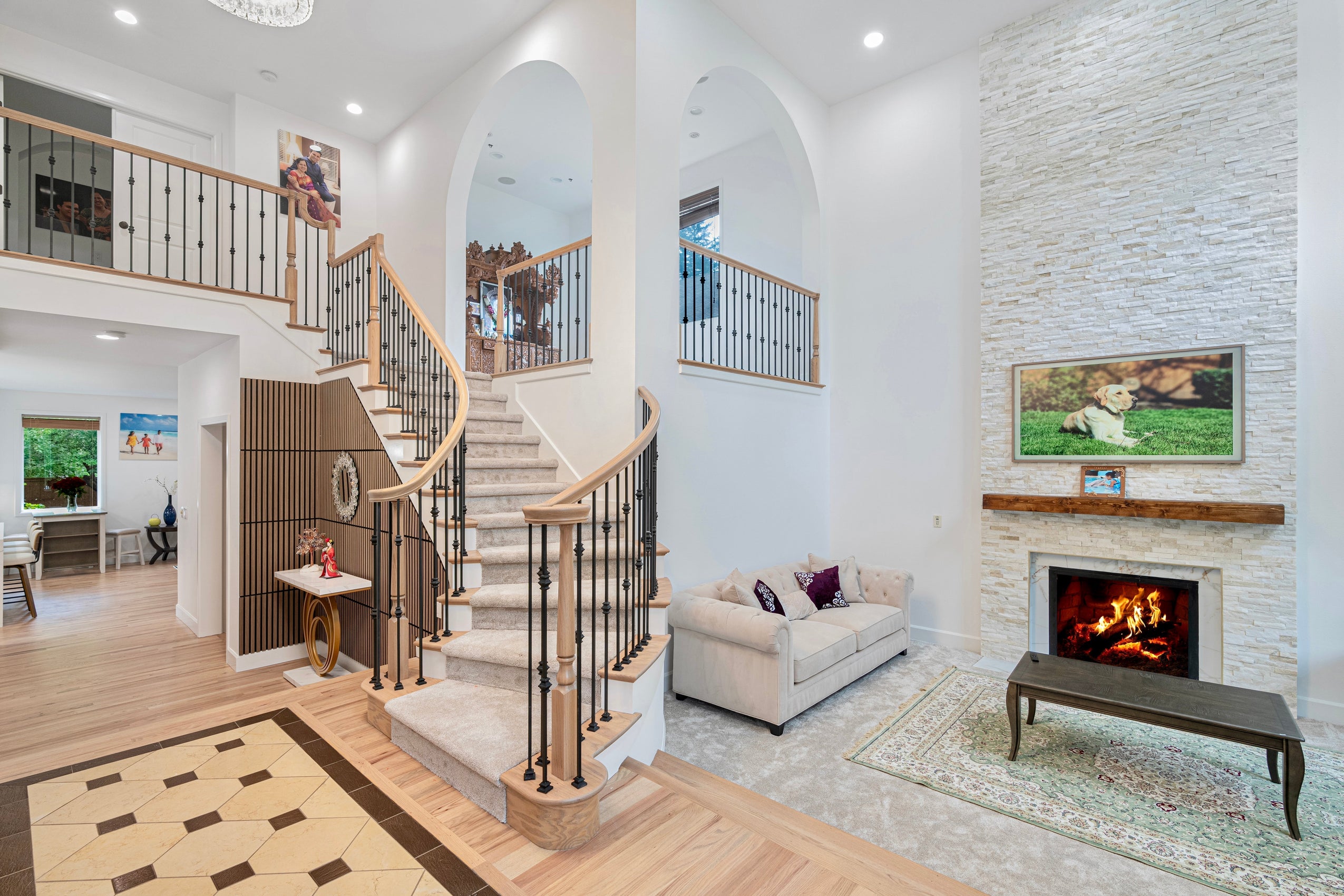
DIY Cabinet Installation: Step-by-Step Guide for RTA Cabinets
One of the biggest advantages of RTA cabinets is the option to install them yourself, saving $2,000 to $5,000 in professional installation costs. And while installing kitchen cabinets isn't as simple as hanging a shelf, it's absolutely within reach for a handy homeowner with basic tools and a free weekend.
This guide walks you through the entire process — from prep work to the final piece of crown molding. We'll be upfront about what's easy, what's tricky, and when it makes sense to call in a professional.
Before You Start: Honest Assessment
You can do this if:
- You're comfortable using a drill, level, and tape measure
- You can lift 50–75 pounds (or have a helper)
- You have patience for precision work
- You've assembled furniture before (even IKEA counts)
Consider hiring a pro if:
- Your walls are significantly out of plumb or level
- You need to move plumbing or electrical
- You're dealing with an unusual layout (angled walls, soffits)
- Time is a major constraint
Most homeowners who install cabinets with a helper complete a full kitchen in 2–3 days — one day for uppers, one day for lowers, and a half day for trim and finishing touches.
Tools You'll Need
Essential:
- Drill/driver with Phillips and square drive bits
- 4-foot level (a laser level is a nice bonus)
- Tape measure
- Stud finder
- Pencil
- Clamps (at least 2 bar clamps or C-clamps)
- Drill bit set (including countersink bit)
- 2-1/2" and 3" cabinet screws (not drywall screws)
- Shims (wood or composite)
Nice to have:
- Laser level
- Cabinet jack or T-brace (for holding upper cabinets while you screw)
- Brad nailer (for toe kick and molding)
- Jigsaw or oscillating tool (for plumbing cutouts)
- Circular saw or miter saw (for cutting fillers and molding)
Step 1: Preparation (Don't Skip This)
Remove Old Cabinets
If replacing existing cabinets, remove them carefully. Start with the uppers (take the doors off first to reduce weight), then the lowers. Turn off water and disconnect plumbing before removing the sink base.
Find and Mark Your Studs
Use a stud finder to locate every wall stud along your cabinet runs. Mark them with painter's tape — you'll need to drive screws into these studs for a secure hold. Most homes have studs every 16" on center.
Find the High Point
Using your level, determine the highest point of the floor along your base cabinet run. This is your reference point — all cabinets will be shimmed up to this height to ensure a level countertop. Mark a level line at 34-1/2" above the floor's high point (this is the top of your base cabinets).
Mark Your Layout Line for Uppers
From the base cabinet line, measure up and mark a line at 54" from the floor's high point. This is the standard bottom of your upper cabinets, creating an 18" gap between countertop and uppers (the most common spacing). If you prefer a different gap, adjust accordingly — but 18" is the industry standard.
Step 2: Install Upper Cabinets First
Always install uppers before lowers. This gives you clear access to the wall without base cabinets in the way, and you can brace against the wall more easily.
Start at a Corner
If you have corner cabinets, start there. If not, start at the most visible end of your run. Hold (or prop) the first cabinet in position with its bottom edge on your layout line.
Secure to Studs
Drive 2-1/2" or 3" cabinet screws through the cabinet's back rail (the reinforced strip at the top and bottom of the cabinet back) and into the wall studs. Use at least two screws into studs per cabinet — more for larger or heavier cabinets.
Pro tip: If you're working alone, screw a temporary ledger board (a straight 1×4 or 2×4) to the wall along your layout line. Set cabinets on this ledger while you drill — it acts as a third hand.
Join Adjacent Cabinets
Before mounting the next cabinet, clamp it face-to-face with the first one so the front frames are perfectly flush. Drill pilot holes through the face frame and join with 2-1/2" cabinet screws. Then secure the second cabinet to the wall studs.
Repeat this process across the entire upper cabinet run.
Step 3: Install Base Cabinets
Start at the High Point
Place your first base cabinet at the highest point of the floor. Check for level in both directions (side-to-side and front-to-back). If it's level at the high point, great — this is your reference cabinet.
Shim and Level
As you work away from the high point, the floor will likely slope. Use shims under the base of each cabinet to bring it level with your reference. Check with your level constantly — countertops are unforgiving and will show every deviation.
Secure to Walls and Each Other
Screw base cabinets to wall studs through the back rail, just like the uppers. Join adjacent base cabinets through the face frames with clamps and screws, ensuring faces are perfectly flush.
Install the Sink Base
Before securing the sink base, mark and cut holes for plumbing supply lines and the drain. An oscillating multi-tool or jigsaw makes these cuts easy. Dry-fit the cabinet over the plumbing before permanently securing it.
Step 4: Install Filler Strips
Fillers bridge the gap between cabinets and walls (or between cabinets in corners). They ensure doors and drawers open freely without hitting adjacent walls or cabinets.
Cut fillers to width using a table saw, circular saw, or even a jigsaw for short pieces. Attach them to the cabinet face frame with screws from behind, keeping the face flush and the gap even.
Step 5: Finishing Touches
Toe Kick
Cut toe kick strips to length and snap or nail them into the clips on the front of your base cabinets. Where cabinets meet at angles, miter the toe kick for a clean joint.
Crown Molding
Crown molding transforms cabinets from "installed" to "built-in." Attach it to the top of wall cabinets using a brad nailer and construction adhesive. Miter inside and outside corners carefully — this is the one step where a miter saw is really helpful.
End Panels
Attach matching end panels to any exposed cabinet sides using construction adhesive and brad nails. This covers the raw plywood sides and gives a finished, polished appearance.
Light Rail Molding
Mount under the bottom of wall cabinets to hide under-cabinet lighting and create a clean shadow line. Attach with brad nails from underneath.
Hardware
Use a hardware jig (or make one from a piece of cardboard) to ensure every knob and pull is placed identically. Nothing looks worse than misaligned hardware — take the extra 10 minutes to get this right.
Common Mistakes to Watch For
- Not checking for level constantly. Check every single cabinet. Then check again.
- Skipping the stud finder. Screwing into drywall alone will not hold a loaded cabinet. Always hit studs.
- Forgetting to account for appliance gaps. Leave the exact width for your range, dishwasher, and refrigerator. Measure the appliance, not the old opening.
- Overtightening screws. Cabinet screws should be snug, not cranked. Overtightening can crack face frames or strip the plywood.
- Not using a ledger board for uppers. Trying to hold a 40-pound wall cabinet in position while drilling is a recipe for frustration (and a crooked cabinet).
How Long Does Installation Take?
| Kitchen Size | Number of Cabinets | DIY Time Estimate |
|---|---|---|
| Small (galley/L-shape) | 10–15 cabinets | 1–2 days |
| Medium (U-shape) | 16–25 cabinets | 2–3 days |
| Large (island + full perimeter) | 25–35+ cabinets | 3–4 days |
These estimates assume you have a helper and your cabinets are already assembled. Add about one day for RTA assembly.